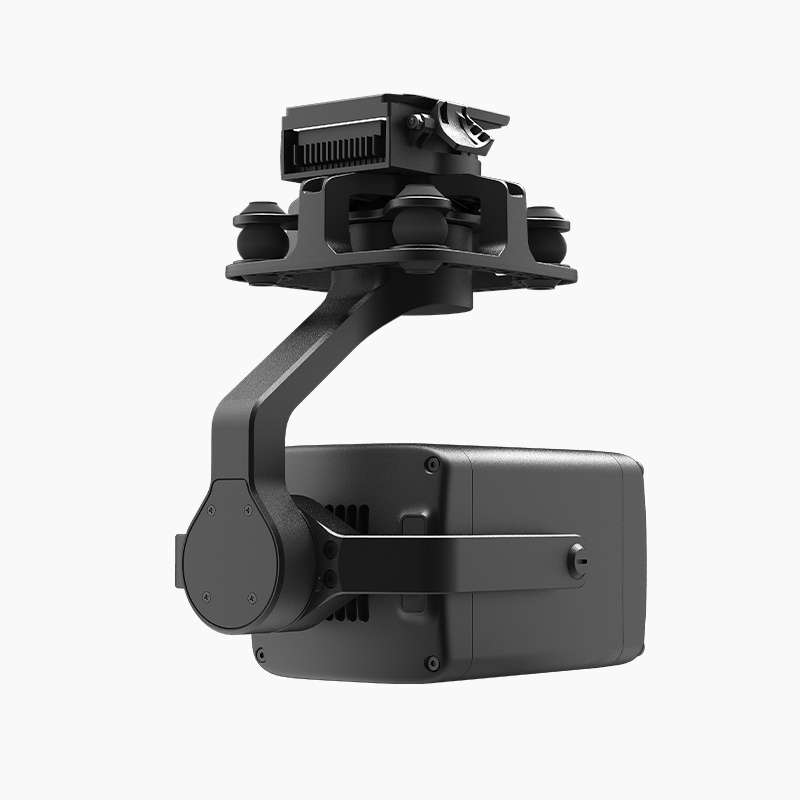
How do you select a uav gimbal that matches your drone’s size and payload capacity?
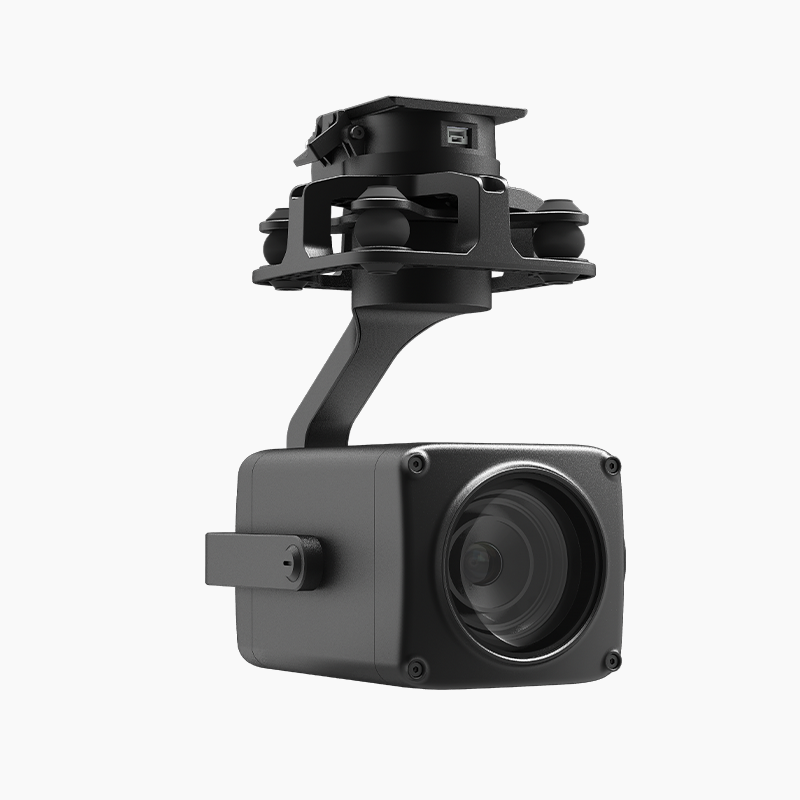
Introducing in particular in-depth analysis on supporting technology including thermal detection in autonomous vehicles.
Balancer Uses within Autonomous Drone Imaging Breakthroughs
Unmanned craft are seeing remarkable advancements in camera features. Complex gimbal mechanisms now support incredibly balanced footage, regardless of turbulent weather. Furthermore, the melding of thermal cameras offers unique opportunities for monitoring in fields like search-and-rescue, presenting valuable facts beyond what visible light cameras can detect. These connected technologies are essentially remodeling the industry of aerial recording.
Observing into the Dusk: UAV Instruments with Infrared & Mounting Mechanisms
The recent landscape of unmanned aerial vehicles is being transformed by advancements in camera features. Expressly, the combination of night vision methods and state-of-the-art gimbal designs allows for unprecedented visibility during nighttime missions. These capable cameras, often utilizing infrared detection, can cut through darkness, providing crucial metrics for defense purposes. Concurrently, the gimbal methodology successfully minimizes wobble, resulting in extraordinarily stable footage even in challenging conditions. Considerations like fineness and velocity are regularly indispensable for superior output.
- Elevated Circumstantial Comprehension
- Amplified Span of Activity
- Exact Imagery Gathering
Aerial Vehicle Camera Evaluation: Balanced, Heat Vision, Zoom & Blackout Surveillance
Selecting the ideal aerial vehicle camera entails a difficult consideration. Contemplate the varied versions available: mounted systems present smooth, flawless footage; temperature cameras excel in murky conditions by revealing heat indications; magnifying lenses empower you to extend distant entities; and night vision tools utilize infrared techniques to secure imagery in reduced light. The preferable fusion is determined by the proposed purpose.
Such Next of Drone Observation Capabilities: Merging Thermographic & Shadow Sensing
Historically, Remote-Controlled sensors specialized on typical light acquisition. On the other hand, advanced purposes in areas chiefly security & uav gimbal camera aid necessitate improved observational details. Incorporating heat-mapping devices alongside dark observation systems gives experts a valuable asset, enabling handlers to see entities camouflaged from typical luminescence. Such melting drastically improves performance effectiveness across a extensive scope of applications.Balancing Solidity Joins Thermal Vision: A Next-Generation Era for UAV Imaging
The cutting-edge moment in autonomous detection is, propelled owing to one meeting among refined suspension systems alongside accurate infrared-based vision. Such combination facilitates personnel allowing them to capture more precise thermal details through pilotless craft, regardless turbulent flying settings, enabling new capabilities between distinct realms particularly inspection, search or precision agriculture.
Unmanned Aerial Vehicle Camera Focal Adjustment Capabilities: Managing Span & Evening Observation
Advancements in Autonomous System technology are constantly advancing camera variable focus potential, but a crucial challenge involves adjusting coverage and twilight observation. Extending this variable focus to grab remote objects often diminishes illumination sensitivity, making clear dusk detection complex. Engineers are examining new approaches, adopting advanced visual blueprints and algorithmic improvements, to mitigate identified flaw and furnish clear imagery at various extents, even under weak brightness conditions.
Electing this Ideal UAV Camera: Steadiness, Radiation, & Magnification Subjects
Upon opting for a UAV photography instrument, numerous key parameters have to be evaluated. Such dampened suspension component is important for steady aviation recording , largely in gusty situations. Infrared-Based sensors supply useful view for purposes like inspection and aid operations. Finally, telephoto capability features grant closer visuals of elements, despite the fact that intensified variable focus habitually is associated with decreased picture sharpness and entails extra glow.
{Night Vision UAV Cameras: Superior Guarding with Gimbal Aid
Sophisticated pilotless aircraft are innovating security procedures with the introduction of night vision devices. Significantly, gimbal support offers exceptional consistency for the visual unit, facilitating clear shots even in problematic conditions or during aerial movement. This quality notably raises monitoring productivity and delivers a indispensable advantage for public safety and additional firms requiring stable nighttime search.
Advanced Drone Sensor Solutions: Uniting Telephoto Infrared-Based & Gloom Vision
Modern remote-controlled systems are increasingly equipped with sophisticated camera setups that outperform basic photography. These advanced solutions customarily integrate a union of efficient technologies, embracing variable adjustable capabilities for accurate inspection, heat-detecting imaging to expose heat signatures, and dark vision solutions to grant operation in suboptimal contexts. This fusion provides handlers with a major asset in diverse fields, from disaster relief to building assessment and area observation.