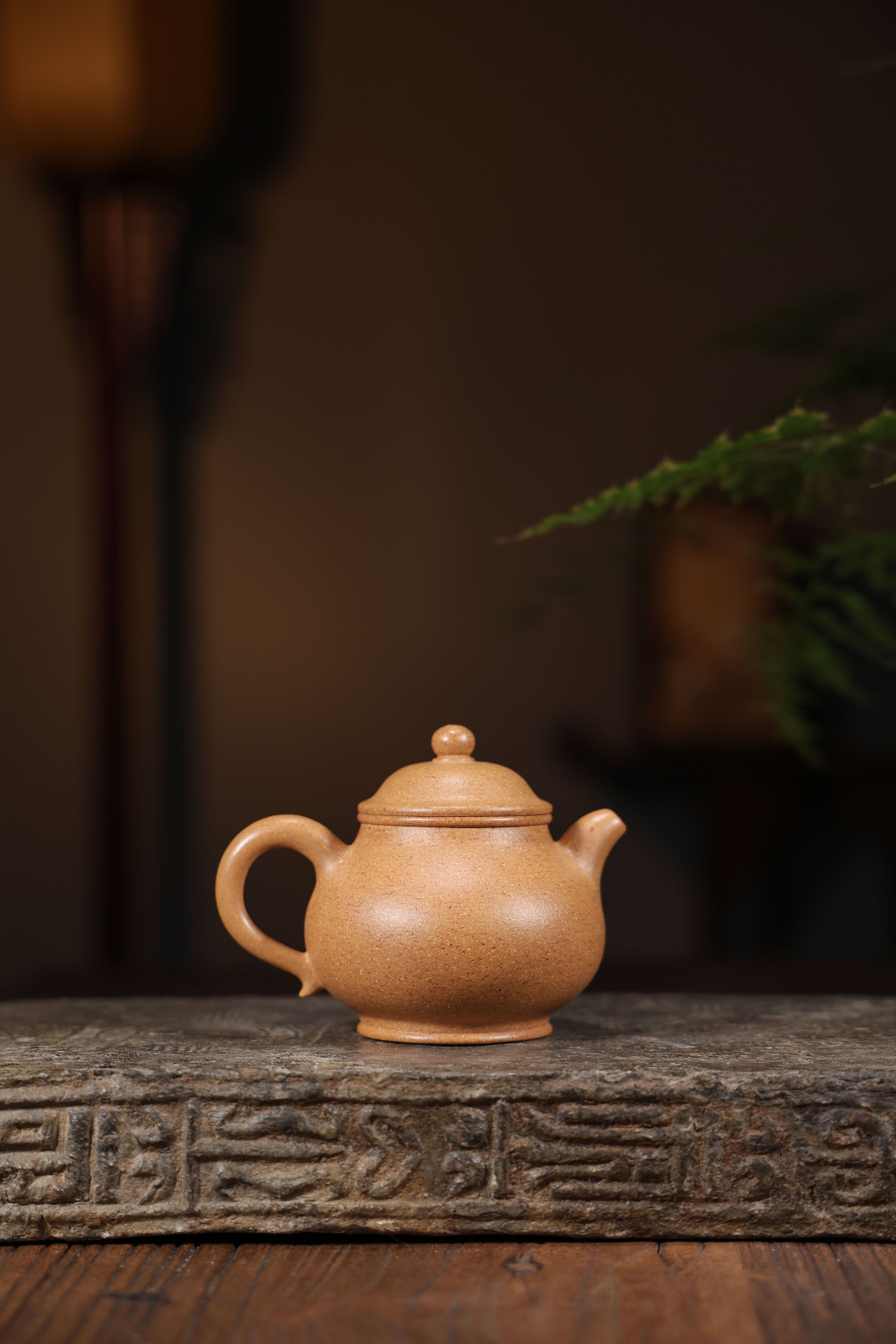
What educational lead magnets about a Yixing Teapot convert best into sales?
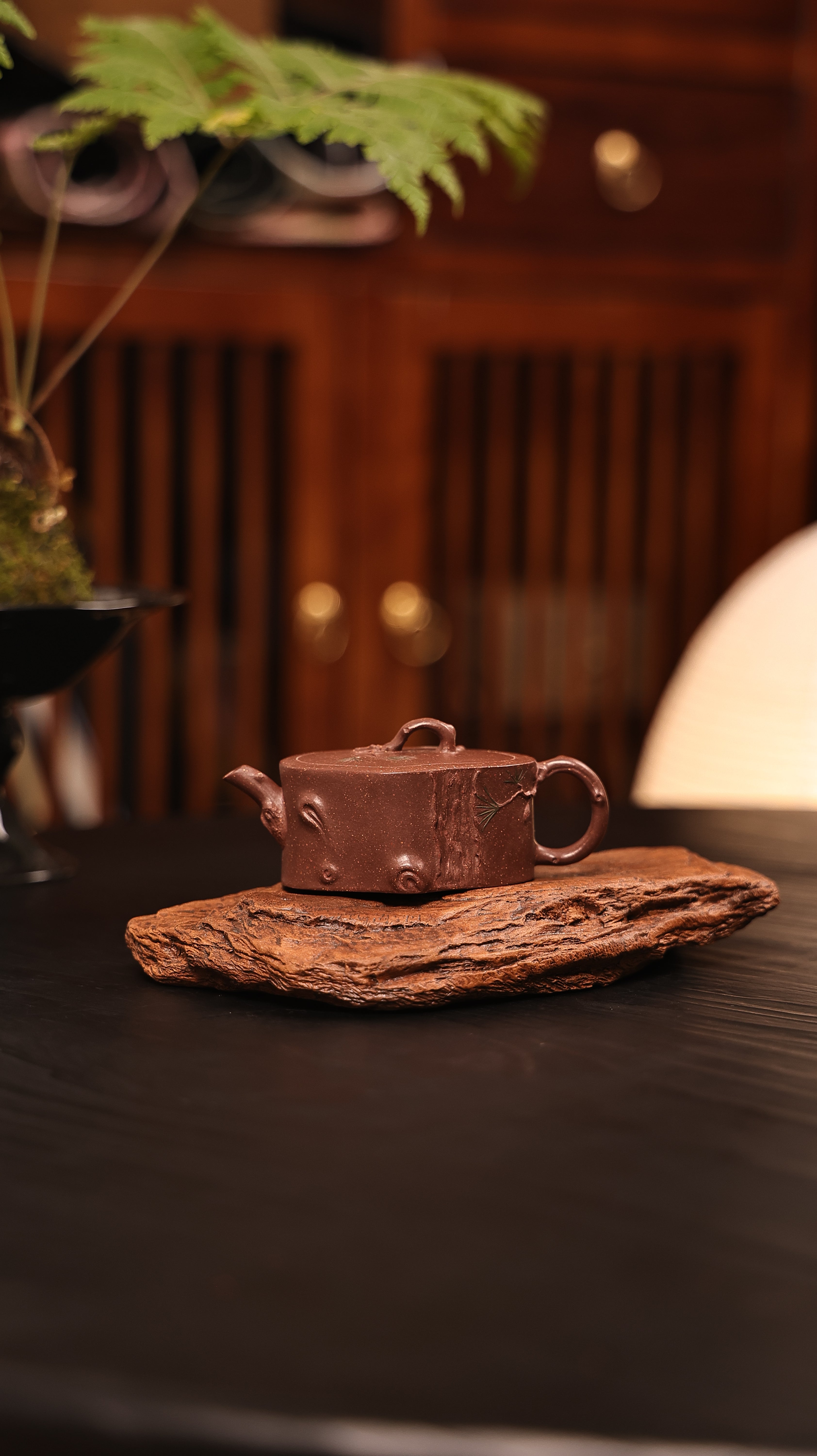
Sustained legacy shapes Chinese mugs for centuries,
Demonstrating original attributes extracted across domestic purple clays, these pots develop a patina over usage, improving taste infused from steeped infusions.
Comprehending Yixing Soil: Thorough Insights into Zisha
Numerous enthusiasts admire the singular structure of Yixing heliotrope clay, a pillar of established Chinese stoneware. Deriving from the Yixing region of Jiangsu province, this unique clay possesses an complex mineral composition, in order that furnishes excellent qualities to the executed containers. Types within Zisha, including Bing Mud, Duan Ni Mud, and Jiang Xi Mud, each displays specific tints, consistencies, and firing traits, determining the diffusibility and the definitive savor development of the liquid.
Mandarin Container Customs: Learning Creativity
Sino teapots embody more mere holders for concoction; they signify centuries of ancestral sophistication. From the iconic Yixing clay variations, respected for their spongy nature which bestows special notes to the concoction, to the elegant porcelain from Jingdezhen, each piece reveals a chronicle of dedication. The development process is an detailed journey, often relayed through lineages of artists. These specialists use time-honored procedures such as hand-building, throwing on wheels, and enhancing, demonstrating profound reverence for the substance and the skill itself. Ponder the attention invested in each piece as a symbol of Chinese porcelain legacy.
- Fine containers: a celebrated preference.
- Delicate ceramics teapots: recognized for their graceful design.
- Constructing techniques: a arduous yet fruitful procedure.
Purple Clay Pitcher Care: Caring for Your Treasure
Appropriate support of your cherished Yixing Zisha kettle is crucial to enhancing its durability. Crafted from distinct purple sand dirt, these first-rate teapots build a lovely patina after utilization, substantially boosting their allure. Withhold washers; a mild rinse with moderate temperature hydraulic medium is enough. Shun heated water for cleaning the teapot, as it may crack its composition. Allow it to lose wetness away from direct radiance. Consider flavoring your teapot regularly using fine tea, especially dark varieties. Here is a brief checklist:
- Swill with comfortably warm hydrous substance.
- Refrain from cleaners.
- Grant it to lose dampness.
- Prepare with high-quality tea.
Lineage of Yixing Teapots: From Modest Roots
The narrative of Yixing teapots initiates unassumingly during the Yuan dynasty, circa the 16th phase. Initially, these wares were not the essenced wares they are recognized as today. They were fashioned by local potters using the unique purple clay discovered solely in the Yixing vicinity. These early creations were primarily utilitarian, designed for daily use and often simple in design. It was not until the Qing dynasty that they opened up to earn esteem beyond mere employable pieces.
Identifying the Suitable Jiangsu Container: A Newcomer's Handbook
Embarking the world of Yixing teapots can be difficult, but eschew hesitating! For initiates, the essential factor is understanding the material. Genuine Yixing clay is prized for its porosity, allowing the teapot to lock in the tea's profile over time, refining every infusing session. Consider the form; traditional curved shapes prevail, yet personal preferences determine. Lastly, inspect the texture—while some favor an unfinished appearance, others appreciate a faint gloss. Take your time in the procurement process—this is an procurement in a prized piece of art.
Zisha Teapots and Their Importance on Chinese Liquid Custom
Zisha teapots, produced from Yixing, China, have profoundly transformed traditional Chinese brew culture. Those Yixing clay teapots, prized for their characteristic cast, surface, and exceptional ability to impart a subtle flavor to the liquid, are more than mere utensils; they are cherished masterpieces and symbols of eminence. The very custom of preparing and serving tea using a Zisha teapot is steeped in importance, elevating the experience beyond simple refreshment. Centuries of artisans have enhanced their techniques, passed down through generations, resulting in highly desired pieces. Accordingly, Zisha teapots are frequently admired, playing a crucial part in cultivating Oriental appreciation for aesthetics and the science of concoction ceremonies.
- Characteristic Clay Composition
- Adding Subtle Flavor
- Beautiful Craftsmanship
Recognizing Certified Rare Traditional Teapots
Securing a genuine Yixing teapot can be a satisfying experience, Purple Clay Teapot but the environment is often infested with frauds. Differentiating between a real antique and a contemporary reproduction requires precise inspection. Key clues include the clay's rust-colored shade, often displaying banded textures, and the void of modern kiln imprints. The contour should indicate natural grace, reflecting the traditional Yixing approach. Finally, checking the maker's inscription is paramount to verify legitimacy against recorded testimonies.
- Assess the clay's grain.
- Look for irregularities, indicative of crafted quality.
- Seek an authority for evaluation.
Buying Eastern Containers: A Informative Guide to Pottery Recognition
The environment of Yixing Zisha wares grants a significant chance for discerning investors. Continuously, the market price of these mastercrafted artifacts is regulated by distinct factors, such as the grade of purple clay, the mastery of the creator, the ancestral relevance, and, naturally, the modern attention. Rookies should concentrate on understanding the different species of Zisha clay—such as 冰河, Quiet Jug, and Crimson Soil—and studying the properties linked to each. Exact analysis of the earthenware's figure, tone, and signature is further vital to make knowledgeable choices when investing.