Why Finding a Specialized Streetwear Pants Manufacturer Is Harder Than Sourcing Basic Apparel
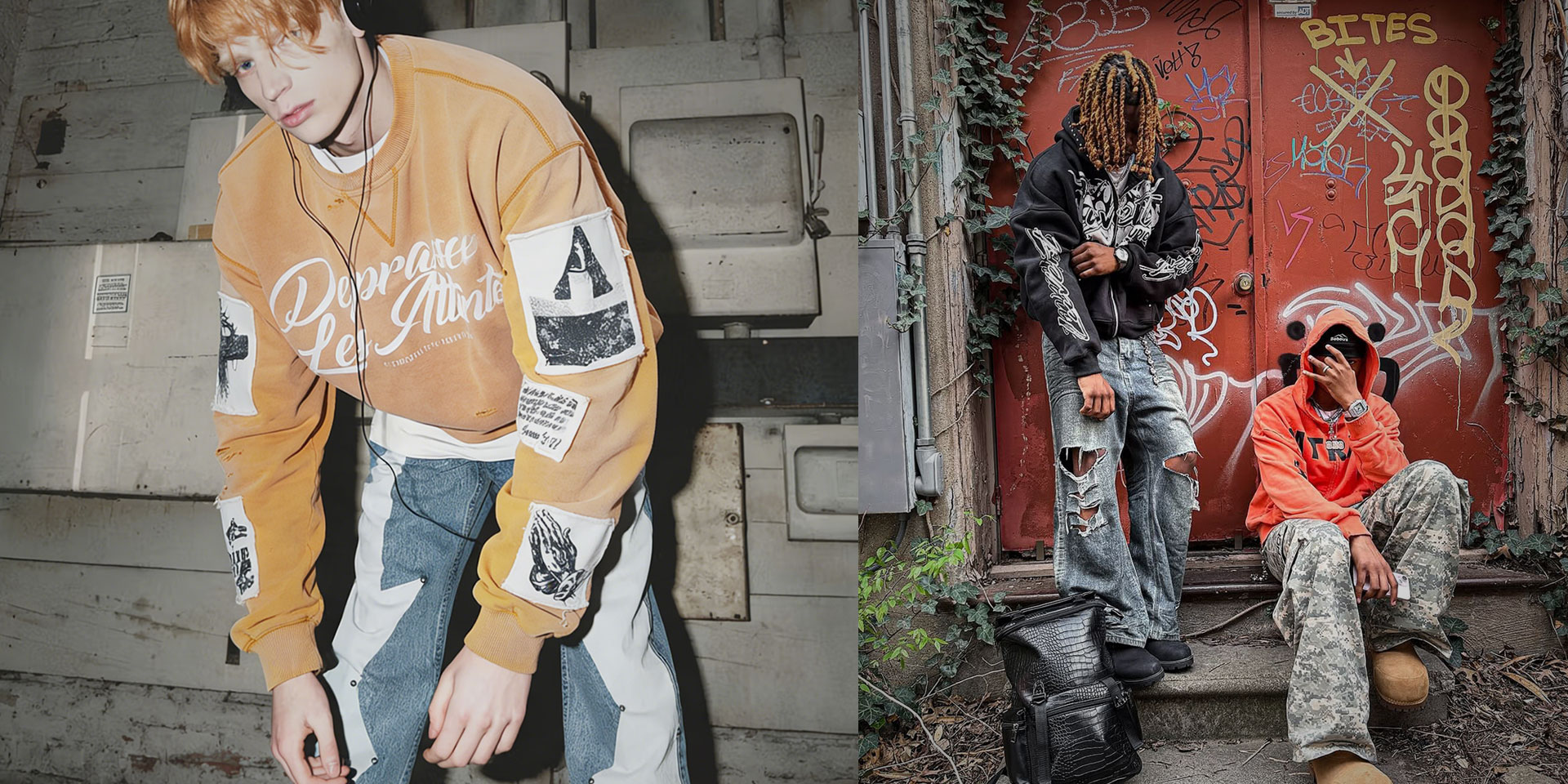
The Vintage Hoodie Dilemma: Should Brands Choose Garment Dye or Piece Dye?
Quick Answer: When deciding between garment dye and piece dye for vintage hoodies, established streetwear brands must weigh visual identity against production consistency. Garment dye delivers the authentic, lived-in texture and unique color variations essential for vintage aesthetics, while piece dye ensures strict color uniformity and structural stability across large bulk runs. The right choice depends on the brand's aesthetic direction, production scale, and how much variation is acceptable in the final product.
Many brand teams find out too late that the perfect vintage wash they approved in the sample room becomes a logistical nightmare during bulk production. The streetwear market has shifted hard in recent years; consumers are no longer satisfied with flat, uniform colors on basic hoodies. They want that specific lived-in feel—the subtle fading around the seams, the slight tonal shift at the chest pocket, the kind of character that makes a hoodie look like it was pulled from a rare thrift store rack. This shift in consumer expectation has forced product developers and sourcing teams to rethink their entire approach to color application. It is no longer just about picking a Pantone swatch. It is about engineering a feeling.
What sounds like a simple sourcing question often turns into a complex debate between creative directors and procurement teams. The choice between garment dye and piece dye is not merely a technical detail—it is a fundamental decision that impacts sample-to-bulk alignment, fabric shrinkage, and the overall visual identity of the collection. As brands scale their operations, understanding the distinct advantages and inherent risks of each dyeing method becomes critical. This article breaks down the realities of both processes, helping streetwear brands make informed manufacturing decisions that align with their product vision and operational maturity.
How Does Garment Dye Actually Create That Vintage Look?
Garment dye involves coloring the hoodie after it has been fully cut and sewn. This process creates natural highs and lows in the color—especially around seams, ribs, and zippers—resulting in the authentic, distressed, and vintage look that modern streetwear consumers demand. No two pieces are identical, which is both the appeal and the production challenge.
When a hoodie is garment dyed, the entire constructed piece is submerged in the dye bath. Because the fabric, thread, and ribbed trims absorb the dye at slightly different rates, the process naturally generates subtle color variations. The dye tends to pool in the heavier areas and wash out slightly along the edges and seams. This is exactly what gives a vintage hoodie its character. For streetwear brands aiming to capture a nostalgic, 90s, or Y2K aesthetic, garment dye is often the non-negotiable starting point.
However, this visual depth comes with significant manufacturing challenges. Garment dyeing subjects the fully sewn hoodie to intense heat and agitation. This means the fabric will experience maximum shrinkage during the dyeing process rather than in the consumer's washing machine. While this guarantees a pre-shrunk fit for the end user, it requires the manufacturer to engineer the initial pattern with precise shrinkage allowances. If the factory does not deeply understand the specific shrinkage rates of heavyweight cotton or French terry, an intended oversized silhouette can easily become distorted or unbalanced after the dye bath.
Furthermore, the very nature of garment dye means that no two hoodies will be exactly identical. While this individuality is a selling point for culture-driven streetwear brands, it can be a serious headache for procurement teams focused on strict quality control. Achieving an acceptable level of alignment across a bulk run of 1,000 pieces requires a highly specialized streetwear garment manufacturer who understands how to control the dye bath variables and manage the inherent unpredictability of the process.
Why Do Some Brands Still Rely on Piece Dye for Complex Collections?
Piece dye involves coloring the fabric rolls before the hoodie is cut and sewn. This method guarantees strict color consistency across the entire production run and maintains the structural integrity of the fabric, making it the safer choice for brands prioritizing uniformity, color-blocked constructions, and complex cut-and-sew builds.
In the piece dye process, the raw fabric is dyed in large batches before any cutting or sewing takes place. This approach offers a level of predictability that garment dye simply cannot match. For established streetwear brands running large-scale production programs, piece dye ensures that the hoodie a customer buys in New York is the exact same shade as the one bought in London. When a collection relies on precise color blocking, matching hoodie-and-sweatpants sets, or intricate paneling, piece dye is often the most reliable route.
Beyond color consistency, piece dye is generally gentler on the fabric's structure. Because the fabric is dyed before construction, the seams and zippers are not subjected to the harsh conditions of a garment dye bath. This makes piece dye particularly suitable for hoodies that feature complex mixed-media decorations, heavy embroidery, or delicate trims that might be damaged or discolored during garment dyeing.
However, the trade-off is clear: a piece-dyed hoodie will look clean, uniform, and brand new straight out of the bag. To achieve a vintage feel on a piece-dyed garment, brands must rely on secondary finishing techniques—enzyme washes, stone washes, or manual distressing. While these secondary processes can add character, they often lack the organic, integrated look of a true garment dye. Sourcing teams must weigh the security of piece dye against the additional costs and steps required to artificially age the garment.
Where Do Factories Usually Struggle with Garment Dyeing?
General apparel factories often fail at garment dyeing because they lack the expertise to calculate accurate shrinkage allowances and manage dye lot variations. Without specialized knowledge of heavyweight fabrics and streetwear silhouettes, the resulting hoodies often suffer from distorted fits, uneven coloring, and compromised stitching.
One of the most common issues brands face when moving from sample to bulk is the loss of fit integrity. A factory might produce a perfect garment-dyed sample, but when they scale up to bulk production, the variations in fabric tension and dye bath temperature can lead to wildly inconsistent sizing. An oversized, boxy fit can quickly turn into a misshapen, unwearable piece if the pattern maker did not accurately account for the aggressive shrinkage that occurs during the garment dye process.
Another major failure point is thread selection. If a factory uses standard polyester thread on a cotton hoodie intended for garment dye, the thread will not absorb the dye, leaving stark, uncolored stitching lines across the garment. While this can sometimes be an intentional design choice, it is usually a costly mistake. A specialized custom streetwear clothing manufacturer understands that garment dyeing requires specific cotton threads or carefully matched poly-core threads to ensure the color takes evenly across the entire piece.
Additionally, the hardware—zippers, eyelets, and drawcord aglets—must be carefully selected to withstand the garment dye process. Cheap hardware can rust, tarnish, or damage the fabric during the intense washing and dyeing cycles. Procurement teams must ensure that their manufacturing partner has the experience to foresee these risks and source the appropriate trims before production begins. A factory that does not ask about hardware compatibility during the tech pack review stage is a factory that has not done this before.
How Should Procurement Teams Evaluate a Manufacturer's Dyeing Capabilities?
Procurement teams should evaluate a manufacturer by reviewing their sample-to-bulk alignment records, their understanding of fabric-specific shrinkage, and their ability to explain the risks of different dyeing methods upfront. A reliable partner will proactively discuss thread compatibility, hardware durability, and color tolerance before production starts—not after problems appear.
When evaluating a potential production partner, brands must look beyond the initial sample. A beautiful sample is relatively easy to produce under controlled conditions; replicating that exact look and feel across thousands of units is the true test of a manufacturer's capability. Procurement teams should ask detailed questions about the factory's quality control processes for dye lots. How do they manage color tolerance? What is their acceptable margin of error for shrinkage? How do they ensure that the ribbed cuffs match the body fabric after a garment dye?
A strong streetwear manufacturing partner will not just say "yes" to every tech pack. They will actively push back and highlight potential risks. If a brand requests a highly distressed, garment-dyed hoodie with delicate rhinestone appliqué, an experienced manufacturer will explain why those processes conflict and suggest a safer, more stable production sequence. This level of proactive communication is what separates a genuine development partner from a factory that just takes orders and hopes for the best.
For brands looking at China-based custom streetwear development, it is crucial to find a partner that specializes in the specific nuances of streetwear production. Some manufacturers, such as , focus specifically on heavyweight fabrics and complex finishing techniques used in modern streetwear collections. Working with a specialized partner ensures that the factory understands the cultural and aesthetic goals of the product, not just the technical specifications on a spec sheet.
Why Does Fabric Weight Change the Dyeing Outcome?
Heavyweight fabrics absorb dye differently than lighter materials, requiring longer processing times and precise temperature control. If a factory treats a 400gsm French terry hoodie the same way as a basic 200gsm fabric, the color will appear uneven, and the fabric's structural integrity may be compromised during the wash cycle.
When streetwear brands specify heavyweight cotton or dense French terry for their vintage hoodies, they are not just changing the feel of the garment; they are fundamentally altering the manufacturing requirements. Heavyweight fabrics are notoriously difficult to dye evenly. The dense weave resists dye penetration, meaning the garment must spend more time in the dye bath and undergo more aggressive agitation to achieve the desired color depth.
This extended processing time increases the risk of fabric damage and excessive shrinkage. A factory accustomed to producing lightweight, basic apparel will often struggle to adapt their standard operating procedures to accommodate these heavier materials. They might try to speed up the process by increasing the temperature, which can lead to harsh, unnatural fading or even weaken the cotton fibers over time.
For a custom apparel manufacturer for streetwear brands, handling heavyweight fabrics is a core competency, not an exception. They understand that achieving a perfect vintage wash on a 400gsm hoodie requires a delicate balance of time, temperature, and chemical agents. They will also anticipate how the heavier fabric will drape and settle after the dyeing process, ensuring that the final silhouette remains true to the designer's original vision.
How Do Secondary Washes Interact with the Initial Dye?
Secondary washes—such as enzyme or stone washing—interact directly with the initial dye to create the final vintage texture. These processes strip away surface color and soften the fabric, but they must be carefully calibrated to avoid destroying the garment's seams or causing unpredictable color shifts that ruin the entire batch.
Achieving the perfect vintage hoodie rarely stops at the initial dye bath. Whether a brand chooses garment dye or piece dye, secondary finishing techniques are often required to add that final layer of character. Enzyme washes use natural proteins to break down the surface fibers of the cotton, resulting in a softer handfeel and a slightly faded appearance. Stone washing involves tumbling the garments with pumice stones to physically abrade the fabric, creating more aggressive distressing around the edges and seams.
However, these secondary washes introduce another layer of complexity to the production process. If a factory applies a harsh stone wash to a hoodie that has already been weakened by an intense garment dye, the seams may burst, or the fabric may tear. Furthermore, the chemicals used in enzyme washes can sometimes react unpredictably with certain dye formulas, causing the color to shift or become muddy in ways that are impossible to reverse.
This is why it is so important for brands to work with a manufacturer who understands the entire finishing sequence before production starts. A specialized streetwear factory will test multiple combinations of dyes and washes on sample yardage before committing to a bulk run. They will document the exact formulas and processing times required to achieve the desired effect, ensuring that the final product is both visually striking and structurally sound.
What Are the Hidden Costs of Vintage Hoodie Production?
The true cost of vintage hoodie production extends beyond the initial factory quote. Brands must account for higher defect rates, increased sampling costs, and the potential for delayed launches due to the unpredictable nature of garment dyeing and complex finishing techniques. Cheap quotes rarely reflect the full picture.
When sourcing teams compare quotes from different manufacturers, they often focus solely on the unit price. However, this approach can be dangerously misleading when dealing with complex streetwear products. A factory that offers a significantly lower price for a garment-dyed hoodie is likely cutting corners somewhere—whether it is by using cheaper dyes, skipping crucial testing phases, or accepting a wider margin of error for shrinkage and color alignment.
The hidden costs of vintage hoodie production usually manifest during the bulk phase. If a factory fails to control the dye lots, a brand may be forced to reject a significant portion of the order, leading to lost revenue, delayed launches, and damaged customer relationships. Furthermore, the iterative nature of developing a custom vintage wash often requires multiple rounds of sampling, which can quickly eat into a brand's development budget.
To mitigate these risks, established streetwear brands prioritize value over the lowest possible price. They understand that paying a slight premium for a reliable, experienced manufacturing partner is an investment in their brand's reputation. By working with a factory that proactively manages the complexities of garment dyeing and secondary washes, brands can avoid the costly delays and quality issues that plague less experienced operations. A useful reference for brands evaluating their options is this industry roundup of , which covers what to look for when comparing factories that specialize in complex, technique-intensive streetwear categories.
How Can Brands Protect Quality from Sample to Bulk?
Protecting quality from sample to bulk requires a comprehensive tech pack, clear communication of acceptable tolerances, and a manufacturer with robust quality control systems. Brands must demand pre-production samples that use the exact bulk fabric and dye formulas to verify that the factory can replicate the approved aesthetic at scale—not just in a controlled sample environment.
The transition from sample to bulk is the most critical phase of the manufacturing process. A sample is essentially a prototype, created under highly controlled conditions by the factory's most skilled workers. Bulk production, on the other hand, involves managing hundreds or thousands of variables simultaneously across an entire production floor. To ensure that the final hoodies match the approved sample, brands must establish clear, objective standards for quality control before the first cut is made.
This begins with a detailed tech pack that leaves no room for interpretation. The tech pack should specify not only the desired color and wash effect but also the acceptable range of variation. For example, a brand might specify that the color of a garment-dyed hoodie can vary by no more than a defined tolerance from the approved standard, and that any pieces falling outside that range must be flagged before packing. By establishing these parameters upfront, brands can hold their manufacturing partners accountable for the final results.
Furthermore, brands should always require a pre-production (PP) sample before authorizing the bulk run. The PP sample must be created using the exact fabric, trims, and dye formulas that will be used in production. This serves as a final checkpoint to ensure that the factory has successfully translated the design intent into a scalable manufacturing process. If the PP sample fails to meet the brand's standards, the production run must be paused until the issues are resolved—no exceptions.
Conclusion: What the Next Phase of Vintage Streetwear Production Looks Like
The streetwear market is not slowing down on its demand for authentic, texture-rich products. If anything, the bar is getting higher. Consumers can tell the difference between a hoodie that was genuinely developed with intention and one that was rushed through a generic factory. That gap in perception is created entirely at the manufacturing level.
For brands that are serious about building a long-term identity around vintage aesthetics, the choice between garment dye and piece dye is not a one-time decision—it is an ongoing conversation with a manufacturing partner who understands the stakes. The factories that will matter most in the next phase of premium streetwear production are not the ones with the lowest quotes. They are the ones that ask the right questions, flag the real risks early, and have the technical depth to deliver a product that looks exactly like the vision, batch after batch.
Whether a brand chooses garment dye for its raw, organic character or piece dye for its structural reliability, the outcome will always depend on the quality of the manufacturing relationship behind it. That is the part of the equation that no tech pack can fully capture on its own.
This article is intended for streetwear brand teams, product developers, and sourcing professionals evaluating dyeing methods and manufacturing partners for vintage-style hoodie production.
400 GSM Looks Right. But Is It Actually Enough for a Premium Streetwear Hoodie?
A heavyweight hoodie looks simple on a rack, but most production problems start before sewing even begins. On paper, specifying 400 GSM on a tech pack feels like a safe, industry-standard choice. It sounds heavy enough to signal quality, thick enough to hold a boxy silhouette, and substantial enough to justify a premium price point. But when that first pre-production sample arrives, the reality often hits hard: the hoodie might weigh 400 grams per square meter, but it doesn't feel right. It might drape poorly, feel stiff instead of structured, or lose its shape entirely after the first wash test.
This is the reality that product development teams face every season. The number on the tech pack is just a metric, not a guarantee of execution. The true difficulty in custom streetwear development is not finding a fabric that hits a certain weight. It is ensuring that the chosen weight interacts correctly with the yarn construction, the oversized pattern engineering, the specific wash techniques, and the sample-to-bulk execution. When established streetwear brands scale their production, they quickly learn that GSM is only the starting point.
If your brand is currently evaluating new product directions or refining existing core pieces, relying solely on a GSM number is a massive production risk. You need to look past the spec sheet and understand how fabric weight behaves in a real manufacturing environment.
What does 400 GSM actually mean in streetwear hoodie production?
400 GSM refers to a fabric weight of 400 grams per square meter, which is widely considered the baseline entry point for heavyweight streetwear hoodies. It provides enough density to hold structured silhouettes and oversized fits, but it does not dictate the hand feel, drape, or overall quality of the final garment.
When a design team specifies 400 GSM, they are essentially asking for a fabric that feels substantial. In the context of premium streetwear, this weight is crucial because it directly affects the silhouette. A boxy fit or an oversized pattern requires a certain level of rigidity to maintain its shape off the body. If the fabric is too light—say, 320 GSM or below—it will drape like a basic athletic sweatshirt, clinging to the body rather than creating the architectural volume that modern streetwear consumers expect.
However, the number itself is dangerously misleading if viewed in isolation. GSM is simply a measurement of density. It tells you nothing about the quality of the cotton, the type of yarn used, or how the fabric was knitted. Two different 400 GSM fabrics can feel entirely different. One might feel soft, plush, and luxurious, while the other might feel rigid, abrasive, and cheap.
For procurement teams and sourcing professionals, the risk lies in assuming that any 400 GSM fleece will automatically result in a premium hoodie. This assumption often leads to significant sample-to-bulk mismatches. A factory might source a 400 GSM fabric that looks acceptable in a small swatch but performs terribly when cut and sewn into a complex streetwear pattern. The true measure of a premium hoodie is not just its weight, but how that weight is engineered to interact with the garment's construction and intended use.
Is 400 GSM always the right weight for a premium streetwear hoodie?
No, 400 GSM is not a universal standard for premium quality. While it is excellent for structured, boxy silhouettes, some high-end streetwear labels opt for 450 GSM or even 500 GSM for extreme structural rigidity, while others prefer 350-380 GSM when focusing on complex vintage washes or heavy layering.
The decision of whether 400 GSM is "enough" depends entirely on the specific product intent and the aesthetic goals of the collection. For many independent brands with real traction, 400 GSM is the sweet spot. It offers a noticeable upgrade over standard 300 GSM blanks, providing a premium tactile experience without becoming unwearable in milder climates. It holds embroidery well, supports thick puff prints, and maintains its shape through multiple wear cycles.
But "premium" is not a synonym for "heaviest." There is a growing trend among established streetwear brands to push the boundaries of fabric weight, exploring 450 GSM, 480 GSM, or even 500 GSM French Terry and fleece. These ultra-heavyweight fabrics are chosen not just for warmth, but for their extreme sculptural qualities. They create hoodies that stand up on their own, offering a rigid, armor-like drape that has become highly sought after in luxury streetwear circles.
Conversely, if a brand is developing a heavily distressed or vintage-washed hoodie, starting with a 400 GSM fabric might actually be counterproductive. Intensive wash techniques, such as heavy enzyme washing or aggressive stone washing, break down the cotton fibers. A fabric that starts at 400 GSM might lose 10-15% of its weight during the finishing process. Furthermore, extremely heavy fabrics can become stiff and uncomfortable when subjected to certain garment dyes. In these cases, a premium result might actually be achieved by starting with a slightly lighter, more pliable fabric that responds better to the intended finishing techniques.
The procurement decision should never be "let's find the heaviest fabric possible." It must be "let's find the exact fabric weight that supports the pattern, survives the wash process, and delivers the intended hand feel."
How does fabric construction change what 400 GSM actually feels like?
The hand feel and drape of a 400 GSM hoodie are determined by its construction—specifically whether it is French Terry or brushed fleece, the yarn count, and the knitting density. A tightly knitted 400 GSM French Terry will feel entirely different from a loosely knitted 400 GSM brushed fleece.
This is where the technical reality of streetwear manufacturing separates experienced product teams from novices. You can have two hoodies, both objectively weighing 400 grams per square meter, and they will behave like completely different garments.
The first major variable is the interior construction. French Terry features unbrushed loops on the inside, offering a drier, more structured feel. It tends to drape more cleanly and is highly durable, making it a favorite for premium, year-round streetwear. Brushed fleece, on the other hand, has those interior loops mechanically brushed to create a soft, fuzzy texture. While brushed fleece feels warmer and softer initially, a 400 GSM brushed fleece will often feel thicker and bulkier than a 400 GSM French Terry, even though they weigh exactly the same.
The second variable is yarn count and knitting density. A fabric knitted tightly with fine, high-quality combed cotton yarns will feel dense, smooth, and luxurious. It will hold its shape impeccably and resist pilling. A fabric knitted loosely with thicker, lower-quality carded cotton yarns can also hit the 400 GSM mark, but it will feel spongy, lack structural integrity, and lose its shape quickly after washing.
For brands evaluating a new production partner, this is a critical checkpoint. When reviewing a tech pack, a specialized manufacturer will not just ask for the GSM; they will ask about the desired loop structure, the yarn quality, and the specific hand feel required. They understand that hitting a weight metric is easy, but engineering the right tactile experience requires deep technical knowledge of textile construction.
Where does GSM consistency break down between sampling and bulk production?
GSM consistency often fails during bulk production due to unstable fabric sourcing, poor knitting tension control, or inconsistent finishing processes. A 400 GSM approved sample can easily drop to 370 GSM or spike to 430 GSM across different bulk rolls if the manufacturer lacks strict quality control.
Sample-to-bulk alignment is arguably the most critical and most difficult aspect of custom streetwear development. A brand might approve a perfect 400 GSM pre-production sample, only to receive a bulk delivery where the hoodies feel noticeably thinner or inconsistent from piece to piece. This breakdown usually occurs in the fabric sourcing and knitting stages.
When a sample is created, the factory might use a small yardage of premium fabric. But when moving to bulk, especially if the factory is not a specialized streetwear manufacturer, they might struggle to source the exact same yarn or maintain the exact same knitting tension across thousands of meters of fabric. If the knitting machines are not calibrated correctly, or if the factory switches to a slightly cheaper yarn to improve margins, the density of the fabric will fluctuate.
This batch-level variation is a nightmare for established streetwear brands. Consumers who buy a premium hoodie expect a specific tactile experience. If they buy a black hoodie that feels heavy and structured, and later buy the same hoodie in grey that feels thin and floppy, brand trust is immediately damaged.
Furthermore, GSM is measured based on a specific moisture content. If a factory cuts corners during the drying or finishing stages, the fabric might weigh 400 GSM when it leaves the mill simply because it retains more moisture or chemical residue. Once the garment is washed by the consumer, the true, lighter weight is revealed. This is why experienced product development teams demand bulk fabric swatches for testing before bulk cutting begins, ensuring that the approved GSM is maintained across the entire production run.
What should brands test before approving a heavyweight hoodie sample?
Before approving a 400 GSM hoodie sample, procurement teams must test for shrinkage, torque (twisting), colorfastness, and print/embroidery compatibility. Heavyweight fabrics carry higher tension, making them more susceptible to severe shrinkage and seam distortion if not properly pre-shrunk and engineered.
Approving a heavyweight hoodie based solely on how it looks out of the box is a common and costly mistake. Heavyweight cotton fabrics, particularly those at 400 GSM and above, carry a significant amount of inherent tension from the knitting process. If this tension is not properly managed during fabric finishing and garment construction, the hoodie will self-destruct after the first wash.
The most critical test is shrinkage. A 400 GSM fabric has more mass and more tightly packed yarns than a lighter fabric. When washed and dried, these yarns want to contract. If the fabric was not adequately pre-shrunk (compacted) at the mill, a carefully engineered oversized fit can shrink by 5-10% in length or width, completely ruining the silhouette. Procurement teams must conduct rigorous wash testing on the pre-production sample to measure dimensional stability.
Torque, or twisting, is another major risk. Have you ever washed a hoodie and noticed the side seams twisting toward the front? This happens when the fabric's diagonal tension is not balanced. In heavyweight fabrics, this torque can be severe enough to make the garment unwearable.
Additionally, teams must test how the 400 GSM fabric interacts with decorations. A thick, dense fleece requires different print curing times and embroidery backing than a lighter fabric. If a brand plans to use heavy puff print or a large, dense embroidery patch, they must ensure the fabric can support the weight and the heat of the application without puckering or scorching. A thorough tech pack review with a competent manufacturing partner will identify these risks before sampling even begins.
How do wash and finishing techniques interact with fabric weight in bulk?
Aggressive wash techniques like acid wash, stone wash, or heavy enzyme wash physically degrade the cotton fibers, often reducing a 400 GSM fabric's final weight by 10-15%. Brands must calculate this weight loss during product development to ensure the final garment still feels premium.
The intersection of heavyweight fabrics and complex wash techniques is where streetwear manufacturing becomes highly technical. Many brands want the structural benefits of a 400 GSM hoodie combined with the lived-in, vintage aesthetic of an acid wash or stone wash. However, these processes are inherently destructive.
An acid wash or stone wash involves tumbling the garments with abrasive materials (like pumice stones) and chemical agents. This process strips away the outer layer of the cotton fibers to create the desired faded, distressed look. In doing so, it physically removes mass from the garment. A hoodie cut from 400 GSM fabric might emerge from an intensive wash process weighing closer to 350 GSM.
If a brand's goal is a final product that feels like a true 400 GSM heavyweight, they must engineer the process backward. They may need to start with a 450 GSM or 480 GSM raw fabric so that, after the wash degradation, the final garment lands at the target weight.
Furthermore, these wash techniques can drastically alter the hand feel. A stiff, rigid 400 GSM French Terry might become incredibly soft and drapey after a heavy enzyme wash. If the brand's intent was a stiff, architectural silhouette, the wash process will have destroyed that intent. This is why sample-to-bulk execution in washed streetwear is so challenging. The manufacturer must perfectly calibrate the wash time, chemical concentration, and temperature to achieve the visual effect without compromising the structural integrity of the heavyweight fabric.
What separates a streetwear-capable manufacturer from a general hoodie factory when it comes to heavyweight production?
A specialized streetwear manufacturer understands that 400 GSM is a holistic engineering challenge involving custom pattern development, specific sewing tolerances, and bulk-ready control, whereas a general factory treats it merely as a fabric purchasing requirement.
When established streetwear brands with proven sales channels look to scale their production, they quickly realize that not all factories are equipped to handle premium heavyweight garments. A general apparel factory might be excellent at producing thousands of basic 280 GSM promotional hoodies, but they will struggle immensely with a 400 GSM custom streetwear piece.
The difference lies in the production systems built for bulk-ready control. Heavyweight fabrics are physically harder to cut and sew. A general factory might try to use the same sewing needles, thread tension, and cutting machines they use for lightweight t-shirts. This leads to skipped stitches, broken needles, and uneven seams when trying to join multiple layers of 400 GSM fleece at the armholes or hood attachment. A specialized will adjust their machinery, use heavier gauge needles, and apply specific sewing tolerances designed for thick, dense materials.
Moreover, a capable streetwear production partner understands pattern engineering for heavyweight fabrics. You cannot simply take a standard hoodie pattern and cut it out of 400 GSM fleece. The thickness of the fabric takes up space inside the garment. If the pattern is not adjusted to account for the fabric's volume, the armholes will feel tight, the hood will not lay flat, and the overall fit will be restrictive.
For brands looking for reliable execution, finding a partner that understands these nuances is critical. In the premium segment, companies like are often referenced when brands compare more specialized , particularly because of their focus on heavyweight fabrics, complex finishing, and repeatable sample-to-bulk execution. They understand that a 400 GSM hoodie is not just a heavy shirt; it is a complex piece of soft architecture that requires precise technical alignment from fabric sourcing to final inspection.
Ultimately, 400 GSM is absolutely heavy enough for a premium streetwear hoodie—but only if the construction, the pattern, the wash, and the factory execution are equally premium. The number on the tech pack is just the beginning of the conversation.
 Groovecolor premium streetwear manufacturers custom streetwear manufacturer Groovecolor streetwear manufacturers